Heat Injuries
Click here to download the presentation.
HEAT INJURIES
Types of Heat Injury
Heat Cramps
Heat Exhaustion
Heat Stroke
Heat Cramps
Painful cramping of the larger muscle groups
legs, arms, abdomen
Due to excessive loss of salt through heavy sweating plus several hours of sustained exertion
acclimatization decreases risk
Treatment
shaded area
massage arms/legs to increase circulation
0.1% salt solution orally (1/2 tsp salt in 1-qt. Water), sports drink, or salted food (MRE) plus fluid
Heat Exhaustion
Symptoms:
heavy sweating, headache, light-headed, nausea/vomiting, tingling sensations
Temperature 99-104 F
Cause:
dehydration plus excessive salt depletion
Treatment:
shaded environment; loosen clothing
If suspect early heat stroke, treat as such
oral fluids if can drink
cold water, 0.1% salt solution, or 6% carbohydrate beverage
1-2 liters over 2-4 hours
EVAC
Heat Stroke
Symptoms:
elevated temperature plus central nervous system disturbance
absence of sweating is a late finding
Can begin as heat exhaustion and progress
End-organ damage:
brain damage, kidney failure, liver failure, blood clotting abnormalities
related to duration of elevated temperature
Treatment of Heat Stroke
ABC
Unconscious patient may vomit and aspirate
IV: no more than 2L unless circulatory collapse
Lower the body temperature as fast as possible!
All clothes off
Cool water with fanning…increase evaporation
Ice packs under groin or axilla
EVAC…open doors/windows in helicopter/vehicle
keep cooling to temp 101-102 F.
Ice-water immersion: controversial
USASOC and TB MED do not recommend
Wilderness Medicine, 3rd ed. supports
Risk Factors for Heat Stroke
Dehydration
Respiratory and GI illnesses most common
Alcohol use
Laxatives and diuretics
Medications
Increase heat production and/or decrease heat loss
pseudoephedrine, thyroid hormone, cocaine
Decrease sweating
antihistamines (Benadryl), anti-nausea (meclazine, phenergan)
Supplements
Ephedrine (MaHuang), caffeine
Control Measures
Water and sports drinks
Salt
Acclimatization
OTSG Guidance for the Field Use of Sports Drinks
Cool water is usually the best rehydration fluid
Prolonged training and operational scenarios
carbohydrates and electrolytes are also required for optimal physical and mental performance
meals and snacks plus water are best
When sports drinks are appropriate:
duration > 6 hours, hot weather, if snacks/meals not consumed
duration > 3 hours, strenuous exercise, if snacks, meals not consumed
duration > 6 hours strenuous exercise, if total food intake is significantly limited
Sports Drink Recommendations
INGREDIENT Amount per 8 ounces (as served)
Sodium 55-160 mg
Potassium 20-55 mg
Carbohydrate 11-19 gm
Acclimatization
Physiologic adaptation that occurs in response to heat exposure in a natural environment
5 days for most
14 days required for 95% of population to have complete acclimatization.
Can deacclimatize as quickly
Results:
sweat at lower temperature
increased volume of sweat
decrease in amount to salt secreted in sweat
increased heat dissipation = lower core body temperature
End result: Decreased risk for heat injury!
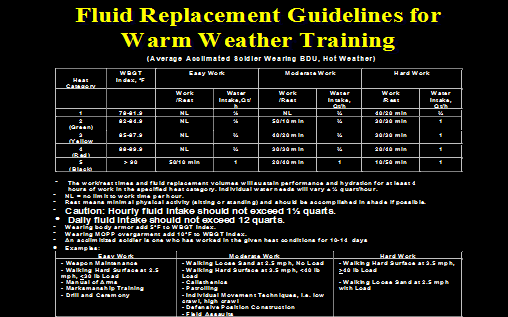
Fluid Replacement Guidelines for Warm Weather Training
Questions?

